
Key Takeaways
- Many people with fibromyalgia can have massage, as long as their doctor knows and the pressure never causes pain.
- Research suggests massage may give short-term relief of some symptoms, but the evidence is still limited.
- Gentle pressure, built up gradually, matters more than any particular named technique.
- Massage can sit alongside your medical care. It does not replace it, and it is not a cure.
Table of Contents
Fibromyalgia is a long-lasting condition that causes pain and tenderness throughout the body, often with fatigue and trouble sleeping. For many people living with it, massage can be a reasonable part of care, provided the pressure stays gentle enough that it never hurts and their health care provider knows about it. It is a support for symptoms, not a treatment for the condition itself.
When researchers pooled nine randomized trials covering 404 people with fibromyalgia, they found that massage lasting five weeks or longer improved pain, anxiety and depression in the short term, though not sleep. That review, published in PLoS One in 2014, also called for larger and longer studies before anyone treats those results as settled.
Fibromyalgia is a clear example of pain that does not fit a simple pattern. At True Balance Pain Relief, our approach starts with an assessment and a conversation, which matters even more when the body is sensitive to touch.
Below, we cover what fibromyalgia does to the body, what the research actually found, why pressure matters so much, and what a gentle first session should look like.
If you are living with fibromyalgia and wondering whether massage is worth trying, contact us and we can talk through what a first session would involve before you book anything.
What Does Fibromyalgia Do to the Body?
Fibromyalgia causes widespread pain and tenderness, usually alongside fatigue and poor sleep, according to the National Institute of Arthritis and Musculoskeletal and Skin Diseases. There is no cure, so care focuses on easing symptoms and improving daily function. That is the context massage fits into: one possible support among several, not a fix for the condition.
The National Institutes of Health describes three main symptoms:
- Chronic, widespread pain throughout the body or in several areas
- Fatigue, or an overwhelming feeling of being tired
- Trouble sleeping
Anyone can develop fibromyalgia, though it is more common in women than in men, and it usually begins in middle age. Care typically combines exercise or other movement therapies, psychological and behavioral support, and medication, decided with a health care provider.
What makes fibromyalgia different from a strained muscle or a stiff lower back is that the pain is not confined to one place. That changes how a massage therapist should work. A session aimed at one sore spot, at the pressure someone without fibromyalgia might enjoy, can leave a sensitive body worse off. If you want the wider picture of how we approach long-term pain, our post on working with a massage therapist to manage chronic pain covers it.
What Does the Research Say About Massage for Fibromyalgia?
Research on massage for fibromyalgia is encouraging but limited. The National Center for Complementary and Integrative Health reports that most studies found massage could provide short-term relief of some symptoms, while noting that the evidence is too limited to be considered conclusive. A 2014 review of nine trials reached a similar, cautious conclusion.
Short-term relief in several studies
The National Center for Complementary and Integrative Health, part of the National Institutes of Health, summarizes several studies on different types of massage for fibromyalgia. Most indicated that massage could provide short-term relief of some symptoms. That is a modest finding, and an honest one.
Longer courses showed more change
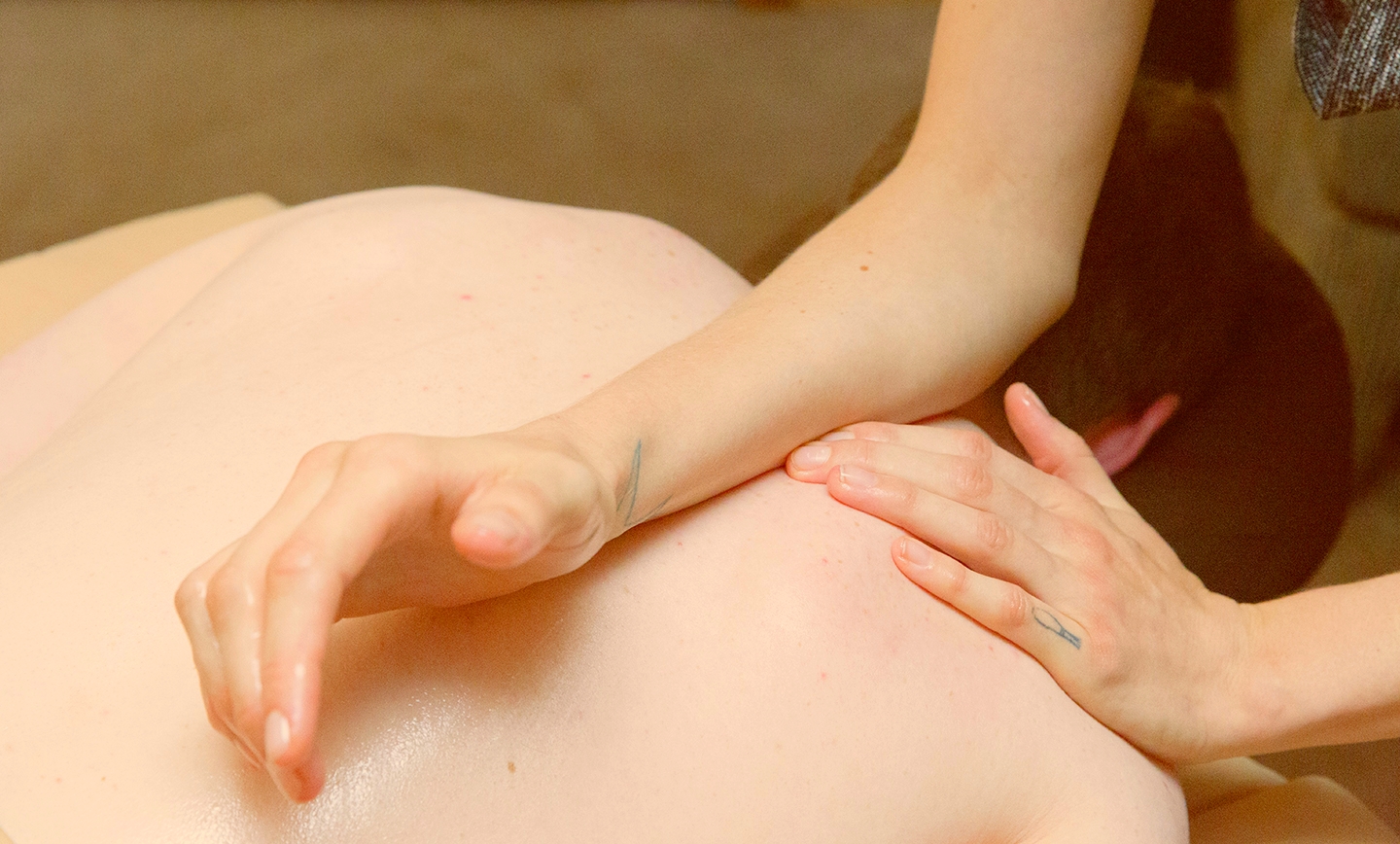
The 2014 review in PLoS One looked at nine randomized controlled trials with 404 patients. In the trials where massage continued for five weeks or longer, pain, anxiety and depression improved significantly at the end of treatment. Sleep problems did not improve in the same analysis.
The same review found no evidence on what happens after treatment stops, because the trials did not follow people up. So these results describe how people felt at the end of a course, not months later.
Evidence that is still limited
Both sources are careful. The government summary calls the evidence too limited to be conclusive, and the review authors asked for larger trials with longer follow-up.
In plain terms, massage looks worth trying for some people with fibromyalgia, with realistic expectations. It may ease symptoms for a while. It will not change the underlying condition, and anyone who promises otherwise is claiming more than the research supports.
Why Does Pressure Matter More Than Technique?
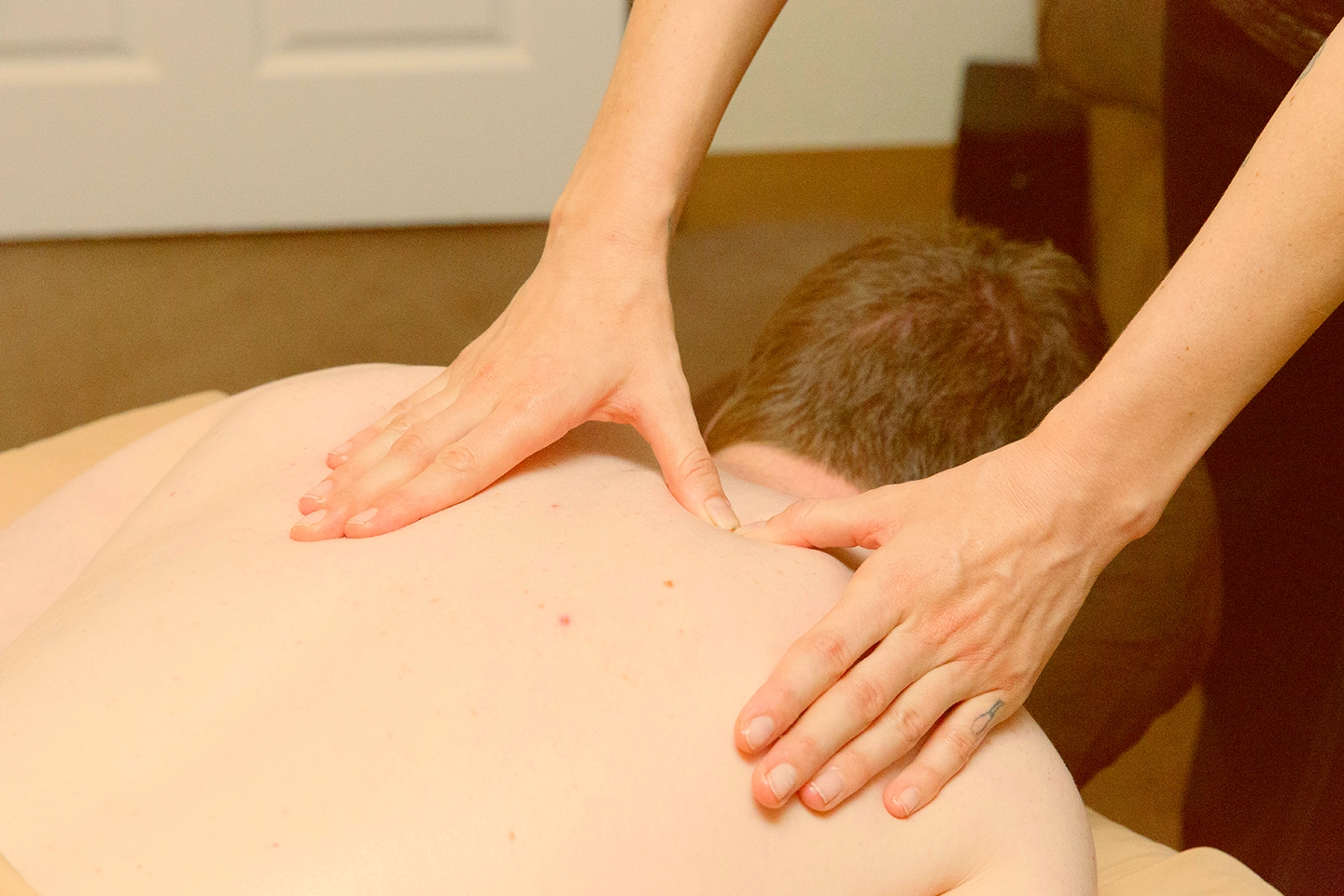
Pressure matters most because fibromyalgia makes the body more sensitive to touch. Experts recommend that massage for fibromyalgia should not cause pain, and that it may be necessary to start with very gentle massage and increase the intensity slowly over time. A technique that suits someone else can hurt you if the pressure is wrong.
 That guidance comes from the National Center for Complementary and Integrative Health, and it is the single most useful thing to know before you book. The same center notes that massage appears to have few risks when performed by a trained practitioner.
This is where we would push back on an assumption some people bring to massage: that a session has to hurt to work. For someone with fibromyalgia, that belief can lead to a session that flares symptoms for days. Starting gently is how the work is done safely.
It also means the name of the technique matters less than how it is delivered. Our pain relief services include myofascial release, which our clinic applies as a gentle approach to the fascia, the connective tissue around the muscles. Whatever the approach, the pressure is set by what your body tolerates on the day. If you have had sessions that left you tighter than before, our post on why your muscles won’t relax may explain part of what went wrong.
Before you start, tell your doctor or other health care providers that you plan to try massage. The National Center for Complementary and Integrative Health advises telling all your providers about any complementary approaches you use, so your care stays coordinated and safe.
What Should a Gentle First Session Look Like?
A first session for someone with fibromyalgia should start with a conversation, use pressure well below what you would expect, and check in with you often. It should end with you feeling the same or better, not sore. If a therapist skips the questions or works at a pressure that hurts, the session is not suited to fibromyalgia.
A conversation before the table
Expect questions about how your fibromyalgia shows up, which areas are most tender, how you slept, what a bad day looks like for you, and what has happened after previous massages. Bring a short list of your medications and anything your doctor has said about activity. Our what to expect page explains how a first appointment runs.
Pressure that starts low
The first session should feel lighter than you might expect. That gives you and the therapist a baseline to build from at later visits. Sessions can also be shorter at first, and some areas can be left alone entirely if they are too tender on the day.
Feedback during and after
You should be asked about pressure early and often, and the therapist should change what they are doing when you answer. Afterward, pay attention to how you feel over the next day or two. If symptoms flare, tell the therapist at your next visit so the plan can be adjusted, and talk to your health care provider if the flare is severe or does not settle.
Where to Start If You Live With Fibromyalgia in Aurora
Fibromyalgia is a long-term condition, and the research on massage points to short-term relief for some people rather than a lasting fix. That is still worth something. Easing pain, anxiety or tension for a while can make the rest of your care easier to keep up with.
The way to find out whether massage helps you is to start carefully: talk to your provider, choose a practice that asks before it treats, begin with gentle pressure, and judge the results by how you feel over the following days. If you want help choosing between approaches more broadly, our guide to what therapy is best for pain walks through it step by step.
Here at True Balance Pain Relief, we start every client with an assessment and set the pressure by what your body can comfortably take. If you would like to try a gentle first session, book a session or call us today at 970-389-9200.
Medical Disclaimer: This content is for general informational purposes only and is not a substitute for medical diagnosis, treatment, or individualized advice from a qualified healthcare provider. Massage therapy is not a replacement for medical care. If you have severe, sudden, or worsening pain, or any numbness, weakness, or tingling, please see a medical provider before booking soft tissue work. Individual responses to massage vary.
Frequently Asked Questions
Should Someone With Fibromyalgia Get a Massage in Aurora?
Many people with fibromyalgia can, as long as their health care provider knows and the pressure never causes pain. Research summarized by the National Institutes of Health suggests massage may give short-term relief of some symptoms, although the evidence is still limited. In Aurora, look for a practice that asks about your condition before treating, starts gently, and adjusts as it learns how your body responds. Massage can support your care, but it is not a cure and does not replace medical treatment.
Is deep tissue massage safe for fibromyalgia?
Deep pressure is not the usual starting point for fibromyalgia. Experts recommend that massage for fibromyalgia should not cause pain, and that it may be necessary to start with very gentle massage and increase the intensity gradually. Some people tolerate firmer work over time, but that is something to build toward with feedback, not something to begin with. If a session at any pressure leaves you in more pain, say so before the next one.
How often should you get a massage if you have fibromyalgia?
There is no single schedule that suits everyone. In the 2014 review of nine trials, the benefits for pain, anxiety and depression showed up in courses lasting five weeks or longer, which suggests regular sessions over several weeks rather than a single visit. The right spacing depends on how you respond, your other care and your budget. Agree on a plan with your therapist and review it after the first few sessions.
Can massage make fibromyalgia worse?
It can if the pressure is too strong or the session is too long for how you are feeling that day. That is why the guidance is to keep massage pain-free and to start gently. Massage appears to have few risks when performed by a trained practitioner. If you notice a flare after a session, tell your therapist so they can lighten the work, and contact your health care provider if symptoms are severe or do not settle.
What type of massage is best for fibromyalgia?
No single type has been shown to be best for everyone with fibromyalgia, and the research is too limited to rank them. What the guidance does stress is gentle, pain-free pressure that is increased gradually. At our clinic, that can include approaches such as myofascial release, which we use as a gentle way to work on the connective tissue around the muscles. The pressure and the pace matter more than the name of the technique.
Should I tell my doctor before getting a massage for fibromyalgia?
Yes. The National Center for Complementary and Integrative Health advises telling all your health care providers about any complementary approaches you use, so they have a full picture and your care stays coordinated and safe. Your doctor may also know about other conditions or medications that affect what kind of massage is appropriate for you. It is a short conversation that helps your therapist and your provider work in the same direction.
Will massage cure fibromyalgia?
No. According to the National Institute of Arthritis and Musculoskeletal and Skin Diseases, there is no cure for fibromyalgia. Massage may help ease some symptoms for a while, and for some people that relief makes daily life and other parts of their care easier to manage. Be cautious of anyone who promises that massage will resolve fibromyalgia, because that goes beyond what the research shows.
What should I tell my massage therapist about fibromyalgia?
Tell them that you have fibromyalgia, where you are most tender, how you are feeling on the day, and how you responded to any previous massage. Mention your medications and anything your doctor has said about activity. During the session, speak up as soon as pressure feels uncomfortable rather than waiting it out. A good therapist will expect and welcome that feedback, because it is how they keep the session pain-free.