
Key Takeaways
- There is no single therapy that is best for every kind of pain. The right technique depends on where the pain comes from, not only where you feel it.
- Rule out the warning signs that need a doctor before you book any hands-on work.
- An assessment of movement, gait and posture should come before anyone chooses a technique for you.
- Judge progress by what you can do, not only by how sore you feel after a session.
Table of Contents
- How Do Massage Therapists Decide Which Technique Fits Your Pain?
- Step 1: Describe Your Pain Precisely Before You Book
- Step 2: Rule Out the Pain That Needs a Doctor First
- Step 3: Get Assessed Before Anyone Chooses a Technique
- Step 4: Match the Technique to the Pain Pattern
- Step 5: Judge the First Few Sessions by Function, Not Soreness
- Step 6: Build the Habits That Keep the Pain From Coming Back
- Find the Therapy That Fits Your Pain, Not the Other Way Around
- Frequently Asked Questions
If you have tried stretching, a foam roller, a heating pad and a couple of massages, and the same ache keeps coming back, you have probably started asking a sharper question. The question now is which kind of massage fits your pain, and why the last one did not stick.
That is a fair question, and it does not have a one-word answer. In 2023, 24.3 percent of U.S. adults reported chronic pain, meaning pain on most days or every day over three months, according to the CDC’s National Center for Health Statistics. That is a lot of people looking for relief, and a lot of different causes hiding behind the same complaint.
At True Balance Pain Relief, we see that variety in our Aurora clinic. Two people can point to the same spot on their lower back and need completely different work, because one is dealing with an irritated trigger point and the other is compensating for a hip that does not move the way it should.
So instead of naming a winner, this guide walks through how to find the therapy that fits your pain, step by step. If you would rather talk it through with us first, contact us and we can tell you what an assessment would look at.
In 2023, 24.3 percent of U.S. adults had chronic pain, and 8.5 percent had pain that frequently limited their life or work activities. (CDC, National Center for Health Statistics, Data Brief No. 518, November 2024)
How Do Massage Therapists Decide Which Technique Fits Your Pain?
A careful massage therapist decides on a technique only after finding out why the tissue hurts. They ask about your history, watch how you move, test strength and range of motion, and look for where the pain travels. The technique follows from those answers, which is why two people with similar pain can get different sessions.
That matters because “pain relief” covers very different problems. A muscle that is overworked from a new training load, a tight band of fascia after an old injury, a trigger point that refers pain somewhere else, and a posture habit that loads one side of the body all feel like pain. They do not all respond to the same hands-on approach, which is also why muscles that will not relax after one kind of massage sometimes respond to another.
Our own process runs in three parts: Assess, Treat, Restore. We assess first, treat what the assessment finds, and then work on the mobility and habits that keep the problem from returning. You can read how that plays out across our pain relief services in Aurora, from orthopedic assessment through to aftercare.
The Signals We Look For in an Assessment
An orthopedic assessment is less mysterious than it sounds. It usually covers a few things you can watch for yourself:
- Range of motion. How far a joint moves, and whether it moves the same on both sides.
- Resistance strength. Whether a muscle holds when it is tested, or gives way or hurts.
- Gait and posture. How you stand, walk and carry weight, which often explains why one area is overloaded.
- Where pain travels. Pressure on one point that sends pain somewhere else is a strong clue that a trigger point is involved.
- What makes it better or worse. Sitting, lifting, sleeping position and time of day all narrow the possible causes.
The answers to those questions point toward a technique. Without them, any choice is a guess.
Step 1: Describe Your Pain Precisely Before You Book
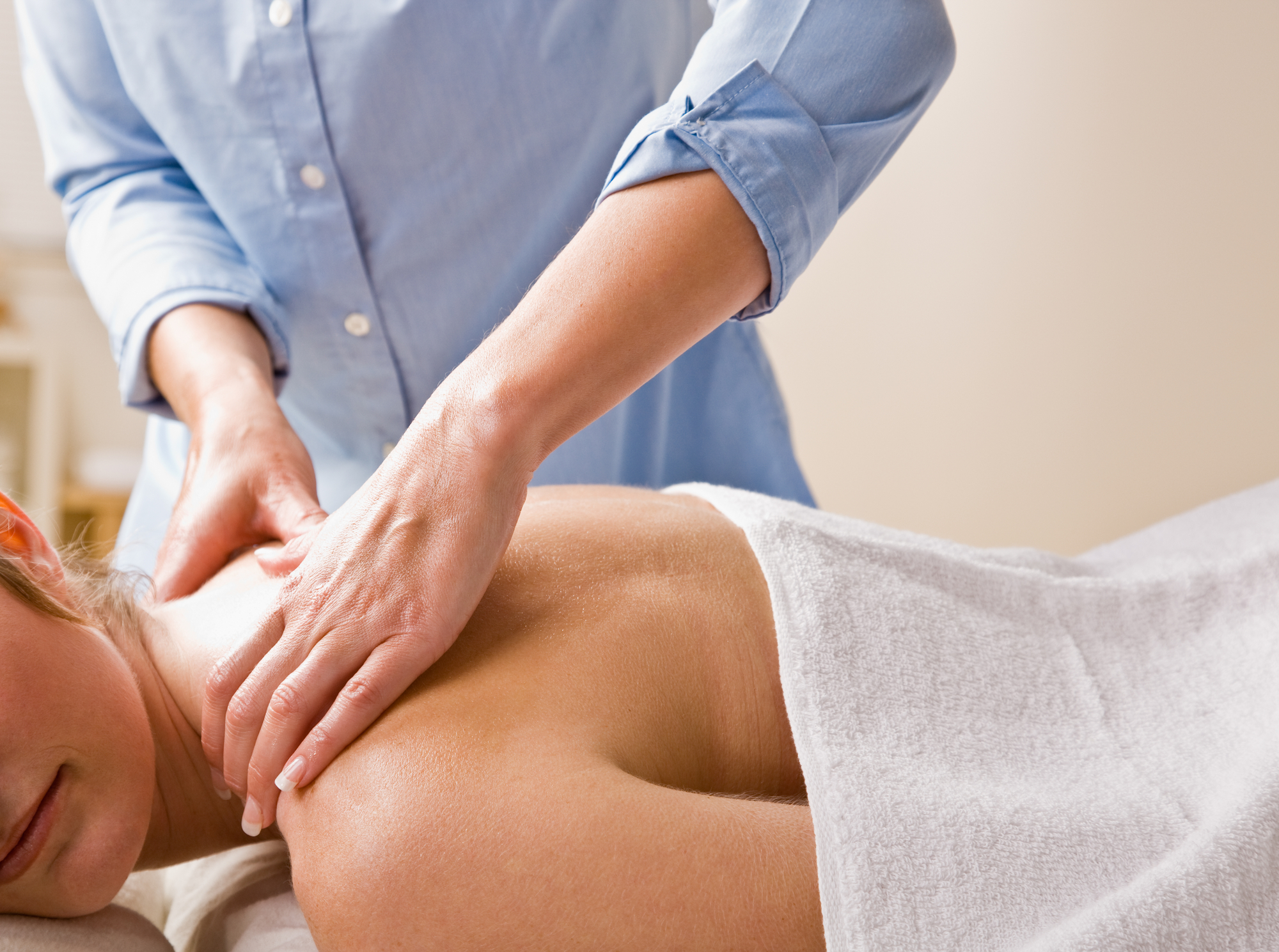
The most useful thing you can bring to a first appointment is a clear description of your pain. Write down where it hurts, what it feels like, how long it has lasted, what makes it better or worse, and what you have tried. It takes five minutes and it shapes every decision that follows.
Note these details:
- Where it hurts, and whether the pain stays in one place or moves.
- What it feels like. Dull and achy, sharp, burning, or a deep knot are different signals.
- How long it has been going on, and whether it started with a specific event.
- What makes it worse and what eases it, including positions, activities and time of day.
- What you have already tried, and whether anything helped even briefly.
A short-lived improvement from a past treatment is not a failure. It is information. It tells a therapist which kind of input your body responded to, even if the relief did not last.
Step 2: Rule Out the Pain That Needs a Doctor First
Some pain should be checked by a medical provider before any hands-on work, because massage therapy is not a substitute for medical diagnosis. Warning signs such as numbness, weakness, fever, pain after a significant injury, or changes in bladder or bowel control point to causes that soft tissue work cannot address.
See a doctor first if your pain comes with any of these:
- Numbness, tingling or weakness in an arm or leg
- Pain that started after a fall, accident or other significant injury
- Fever, unexplained weight loss, or pain that wakes you at night and does not ease with a change of position
- Sudden, severe pain, or pain that is getting steadily worse
- Changes in bladder or bowel control
None of this is meant to alarm you. It simply means the cause may be something soft tissue work cannot address, and a therapist working on it blind could delay the care you actually need. A good massage therapist will ask about these signs during intake and will tell you plainly when something is outside their scope.
Step 3: Get Assessed Before Anyone Chooses a Technique
An assessment should come before anyone chooses a technique for you. That means a short conversation about your history, a few simple movement and strength tests, and an explanation of what the therapist found. If a first visit goes straight from the waiting room to the table, the technique has been chosen before anyone knows what is wrong.
An assessment changes that order. We look at movement, gait and posture to find what is driving the pain rather than only where it shows up. Neck pain, for example, is sometimes a neck problem and sometimes the end result of how the upper back and shoulders are working. The same goes for lower back pain and your hips, where the sore spot and the source can be in different places.
During that first visit, expect to:
- Answer questions about your history, work and activity
- Move through a few simple tests while the therapist watches
- Hear what they found and what they plan to work on
- Agree to the plan before treatment starts
You should leave understanding why a particular technique was chosen. If you want a fuller picture of how a first appointment runs, our what to expect page covers it.
Step 4: Match the Technique to the Pain Pattern

Once the assessment points to a cause, the technique becomes a practical choice rather than a menu item. Pain from specific tight points, restricted fascia, broad regional tightness and a particular injury each tend to call for a different approach. These are the approaches we use for pain, and the patterns each one is often used for.
| Technique | What It Works On | Often Used For |
|---|---|---|
| Trigger point and neuromuscular therapy | Specific tight points in a muscle that can refer pain elsewhere | Tension headaches, neck pain, back pain that radiates |
| Myofascial release | The fascia, the connective tissue around muscles | Restriction after an old injury or surgery, stiffness that limits movement |
| Deep tissue massage | Deeper layers of muscle with slow, sustained pressure | Broad, chronic tightness across a whole region |
| Orthopedic massage | Assessment-led work aimed at a specific musculoskeletal problem | Sports injuries, repetitive strain, joint pain and restricted mobility |
| Assisted stretching | Range of motion around a joint | Tightness that returns between sessions, mobility after treatment |
Most sessions combine more than one of these. A single appointment might use trigger point work on the source of referred pain, myofascial release on the restricted tissue around it, and stretching to hold the new range.
If you are deciding between the two techniques people ask about most, our breakdown of deep tissue massage vs. trigger point therapy goes into more detail.
Step 5: Judge the First Few Sessions by Function, Not Soreness
Judge the first few sessions by what you can do afterward rather than by how intense they felt. Sleeping through the night, turning your head freely or finishing a run are better measures than next-day soreness, which tells you little about whether the right problem is being treated. Relief that lasts a little longer each time is a good sign.
Better questions to ask yourself over the first few visits:
- Can you do more? Turning your head to check a blind spot, sleeping through the night, sitting through a meeting or finishing a run.
- Does the relief last longer each time? A day of relief after the first session and several days after the third is a meaningful trend.
- Is the pain changing location or character? That can mean a deeper source is being uncovered, and it is worth mentioning.
- Do you understand the plan? You should know what is being worked on and why.
Some soreness for a day or so after deeper work is common. Pain during a session is a signal to speak up, not something to endure. If nothing has changed after a few visits, a good therapist will say so and reconsider the approach rather than repeat it.
Step 6: Build the Habits That Keep the Pain From Coming Back
Relief that fades within a week usually means the cause of the pain is still in place. That is why the last stage of our process is Restore rather than more treatment: mobility work, strength and alignment, posture changes and a short list of self-care habits that match what your assessment found, so the improvement holds between visits.
Restore is where the work moves from the table to your daily life:
- Mobility work to keep the range of motion the sessions created
- Strength and alignment so the muscles that were overloaded get support
- Posture changes at the desk, in the car and in how you train
- Self-care between sessions, such as specific stretches, rather than generic routines
What that looks like depends on your week. For someone who drives across Aurora into Denver every day and then sits at a desk, it might mean a better seat position, a reminder to stand every hour, and two stretches for the hips and upper back. For a runner putting in miles on the High Line Canal Trail, it might mean strength work for the hips and a plan for building mileage more gradually.
The details are specific to you, which is the point. Generic advice tends to be ignored, while two or three changes that match what the assessment found tend to be easier to keep up. We would rather give you a short list you actually follow than a long one you abandon after a week.
If your pain is tied to how you sit or stand, our posture therapy focuses on that directly. If it followed an injury, our injury recovery process moves from pain reduction toward full reconditioning.
If the same ache returns no matter what you try, our post on why your pain keeps coming back looks at the usual missing piece. The aim is fewer appointments over time, not more. A plan that makes you dependent on weekly sessions to stay comfortable has treated the symptom and left the cause alone.
Find the Therapy That Fits Your Pain, Not the Other Way Around
The honest answer to “what therapy is best for pain” is the one chosen after someone has looked at why you hurt. Technique matters, but the order matters more: rule out what needs a doctor, assess, treat what the assessment finds, then restore.
Here at True Balance Pain Relief, we work in exactly that order, because root cause over symptom relief is the whole point of what we do.
If you want an assessment that explains your pain before anyone treats it, book a session or call us today at 970-389-9200.
Medical Disclaimer: This content is for general informational purposes only and is not a substitute for medical diagnosis, treatment, or individualized advice from a qualified healthcare provider. Massage therapy is not a replacement for medical care. If you have severe, sudden, or worsening pain, or any numbness, weakness, or tingling, please see a medical provider before booking soft tissue work. Individual responses to massage vary.
Frequently Asked Questions
What therapy is best for pain in Aurora?
The therapy that fits your pain depends on its cause, so there is no single answer for everyone. Trigger point therapy, myofascial release, deep tissue massage and orthopedic massage each suit different patterns. An assessment of movement, gait and posture is the step that tells you which one applies.
Is deep tissue or trigger point therapy better for pain?
It depends on the pattern. Trigger point therapy suits pain that comes from specific points and may travel elsewhere, while deep tissue massage suits broader tightness across a region. Many sessions use both.
How many massage sessions does it take to relieve pain?
It varies with the cause, how long the pain has been present and how your body responds. A useful sign is relief that lasts longer after each visit. If nothing has changed after a few sessions, the approach should be reconsidered.
Should I see a doctor or a massage therapist for back pain?
See a doctor first if your back pain comes with numbness, weakness, fever, changes in bladder or bowel control, or follows a significant injury. For ongoing muscular back pain without those signs, a massage therapist who assesses before treating can be a reasonable place to start.
Is it normal to be sore after a pain relief massage?
Mild soreness for a day or so after deeper work is common. Sharp pain during the session, or pain that is worse rather than different afterward, is worth reporting to your therapist or a medical provider.